
Ultimate Guide to Screen Protector Materials: TPH, TPU, EPU , PPF
Choosing the right screen protector material directly impacts durability, clarity, and user experience. Whether you are a distributor, brand owner, or consumer, understanding the differences between TPH, TPU, EPU, and PPF screen protectors helps you select the best solution for modern smartphones.
1. TPU Screen Protectors – The Industry Standard
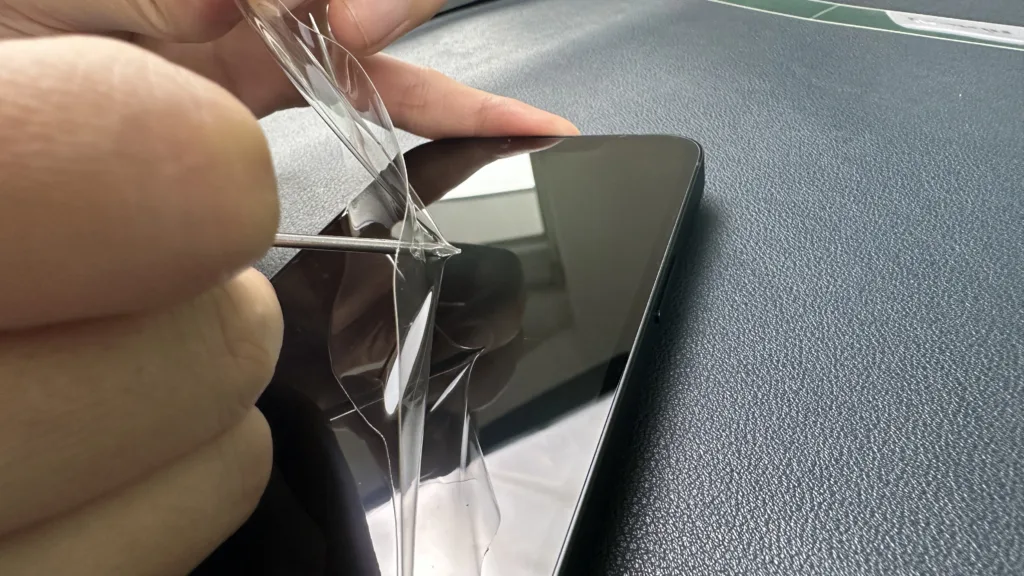
TPU (Thermoplastic Polyurethane) remains the most widely used flexible screen protector material.
Key Features
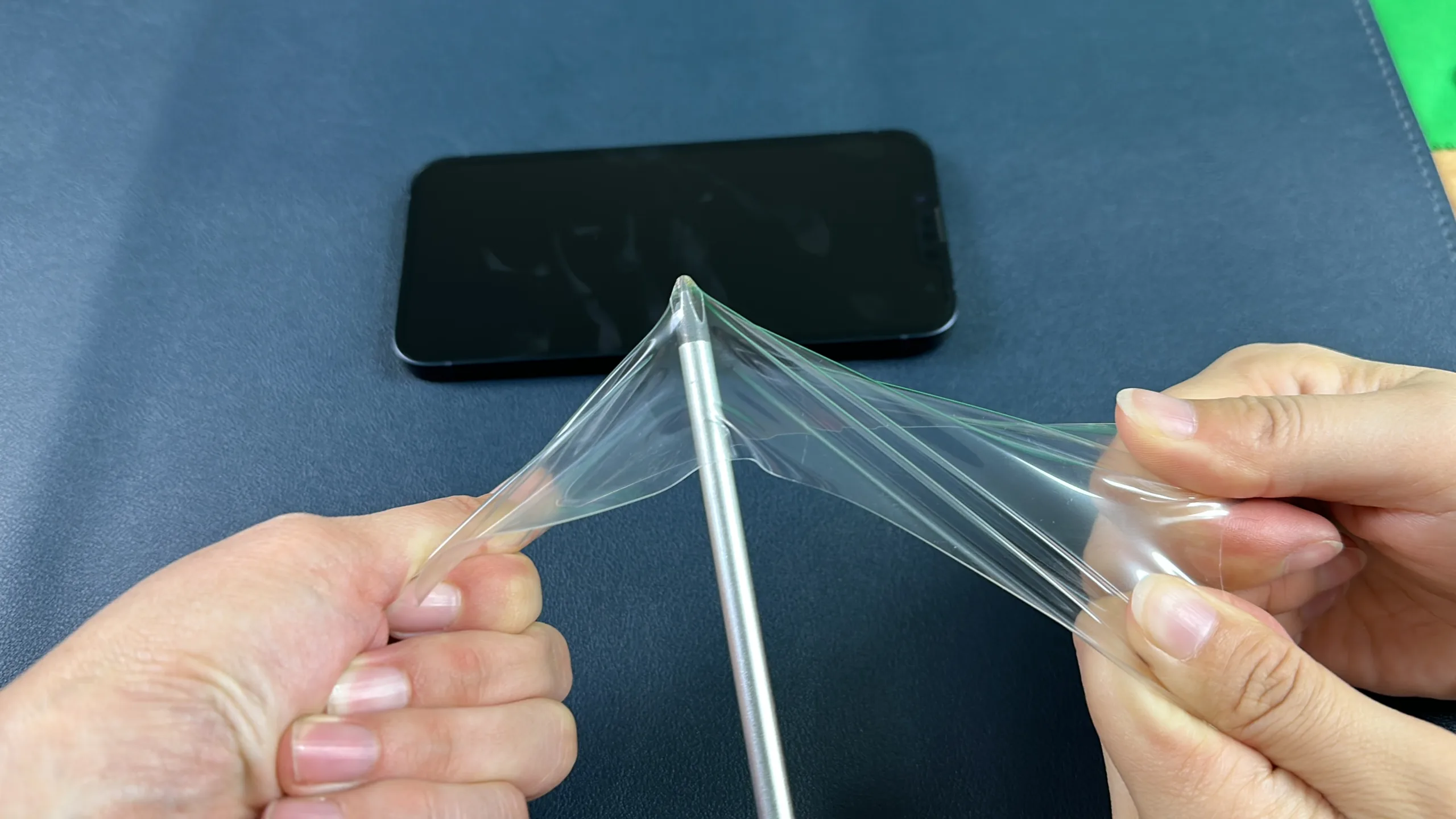
- Excellent flexibility and impact absorption
- Natural self‑healing properties against minor scratches
- High optical transparency with anti‑oil coating
- Compatible with curved screens and foldable devices
Best For
- Premium smartphone protection
- Users who prefer touch sensitivity and clarity
2. TPH Screen Protectors – Rigid Yet Affordable
TPH is a modified thermoplastic blend often positioned between PET and TPU.
Key Features
- Harder surface than TPU
- Cost‑effective for mass markets
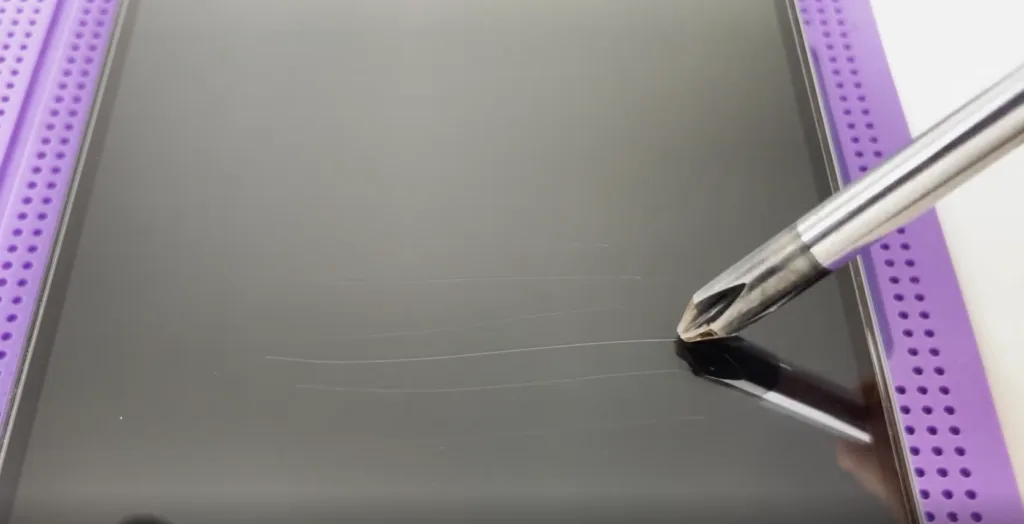
- Good scratch resistance
- Easier installation compared to soft films
Limitations
- Limited flexibility on curved edges
- No self‑healing performance
Best For
- Budget‑focused consumers
- Flat‑screen devices
3. EPU Screen Protectors – Enhanced Performance
EPU (Enhanced Polyurethane) is an advanced upgrade over traditional TPU.
Key Features
- Faster self‑repair speed
- Higher heat resistance and oxidation stability
- Superior fingerprint‑resistant coating
- Longer lifespan without yellowing
Best For
- Flagship smartphone models
- Buyers seeking next‑gen protection technology
4. PPF Screen Protectors – Maximum Physical Protection
PPF (Paint Protection Film) originates from automotive protection technology.
Key Features
- Thickest and toughest among all materials
- Extreme resistance to punctures and drops
- Matte or gloss finish options
- Industrial‑grade durability
Considerations
- Reduced optical clarity compared to TPU/EPU
- Less suitable for ultra‑thin devices
Best For
- Heavy‑duty device protection
- Rugged phones and industrial use
Material Comparison Table
| Material | Flexibility | Self‑Healing | Clarity | Durability | Price Range |
|---|---|---|---|---|---|
| TPU | ★★★★★ | ★★★★☆ | ★★★★★ | ★★★★☆ | Mid |
| TPH | ★★☆☆☆ | ✘ | ★★★★☆ | ★★★☆☆ | Low |
| EPU | ★★★★★ | ★★★★★ | ★★★★★ | ★★★★★ | High |
| PPF | ★★★☆☆ | ★★☆☆☆ | ★★★☆☆ | ★★★★★ | Premium |
How to Choose the Right Screen Protector Material
- For flagship phones: EPU or TPU
- For budget models: TPH
- For rugged environments: PPF
Selecting the correct screen protector film type ensures optimal protection, visual quality, and long‑term satisfaction.
Frequently Asked Questions (FAQ)
Which screen protector material lasts longest?
EPU offers the longest lifespan due to enhanced thermal and oxidation resistance.
Do all screen protectors yellow over time?
TPU may yellow gradually; EPU and PPF resist yellowing significantly better.
Are PPF screen protectors worth it?
Yes—especially for users prioritizing physical impact protection over ultra‑thin design.